Showing posts with label Culturally. Show all posts

Thursday, 31 March 2016

Control your diabetes by Vitamin C and Vitamin E

Diabetes + Diabetic Neuropathy Ebooks

Many of the vitamins like Vitamin B complex, Thiamine or Vitamin B1 and Pyridoxine or Vitamin B6 are great controller of diabetes. Other vitamins like vitamin C and vitamin E also works great in controlling diabetes. Have a look on the benefits how they can help you
controlling your diabetes.
Vitamin C – Vitamin C is considered highly beneficial in treating diabetes. Because of stress, urinary losses and destruction by
artificial sweeteners, the vitamin C requirement is usually high in diabetics. Large amounts of this vitamin sometimes bring very good
results. Dr. George V Mann in Perspective in Biology and Medicine recommended extra vitamin C for diabetics. Natural insulin output
increases in diabetics with supplementary doses of vitamin C.
The intake of vitamin C in the form of dried Indian gooseberry (amla), the richest known source of vitamin C, or tablets of 500 mg or
from natural sources of vitamin C besides amla, are citrus fruits, green leafy vegetables, sprouted Bengal gram and green grams.
Vitamin E – This vitamin reduces considerably the devastating vascular damage accompanying diabetes. Dr. Willard Shute in The Complete


Diabetes and Your Mouth


Inverser Son Diabete Maintenant : French Of Manage Diabetes Today

We diabetics have to pay even more attention to our teeth and gums than other people.
We are at greater risk of cavities, gum disease and tooth infections. Not only that, but those infections can cause our blood sugar to rise, so it becomes a vicious cycle.
Here are some mouth problems common in diabetics.
PlaquePlaque is, of course, a problem for many people, not just diabetics. But it’s caused by starches and sugars, and of course we have more than our share of those! So diabetics are highly prone to plaque.Dry mouthSometimes my mouth is so dry in the morning I can hardly speakI’m sure you know how that feels. But it’s more than just inconvenient, it’s dangerous to the health of our mouths. You see, saliva washes away many of the bacteria that cause cavities and gum disease. Dry mouth cuts the amount of saliva available for this job, so the result is more cavities and gum disease. Dry mouth sometimes also creates inflammation of the soft tissue in the mouth, making eating difficult and unpleasant.While there are artificial saliva substitutes, which your dentist can tell you about, you...


Thursday, 3 March 2016

Testing your Blood Sugar

Reverse Type 2 Diabetes. The Original Bestseller! Up To 90% Comms!

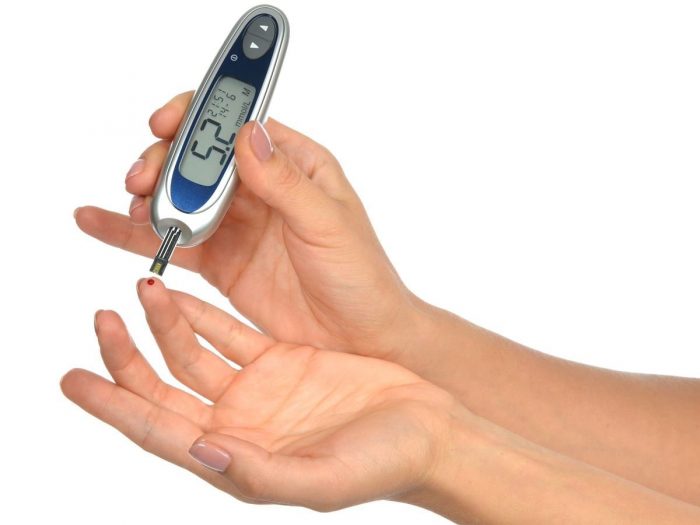
When you have gestational diabetes your doctor is going to run tests at the beginning but then it is going to be up to you to monitor your own blood sugar on a daily basis.  You will still get the support that you will need but a lot of the process of keeping your blood sugar under control is going to be left in your hands.
This will be done with a glucose monitor.  It is a very quick and simple procedure.  You prick your finger with a lancet using a lancet device.  A lancet is a plastic piece with a pointed metal tip that is put into a pen-like device that is used to draw blood from your finger.  It is relatively painless and with newer monitors there is very little blood that is needed to run the test.
Your monitor will also come with testing strips, a piece of plastic that has a microchip in one and a place to put the droop of blood on the other.  This strip is placed into the monitor, you put the drop of blood from your finger onto the strip and the monitor performs the test.  Different monitors take varying amounts of time but the average is between five and twenty seconds.When you are first diagnosed with gestational diabetes you will be asked to test your blood sugar seven times in one day.
You will test:
* First thing in the morning before you eat (a fasting test)
* 1 hour after eating breakfast
* Before you eat lunch
* 1 hour after eating lunch
* Before you eat dinner
* 1 hour after eating dinner
* Before going to bed
The more you test the better idea you will have on how well you are managing your diabetes.  It is all the way to determine if you are giving yourself enough insulin.

Monday, 22 February 2016

Tips for Revamping Favorite Recipes

Jolt Of Jnl - Jennifer Nicole Lee

Everyone has their favorite dishes, ones that mom or grandma used to make or new ones
that you have discovered on your own.  Once you have been diagnosed with diabetes,
you may feel that you can never enjoy these dishes again (or not without harming your
health).  But there are ways that you can change old family favorites keeping the flavor
but reducing or eliminating the amount of sugar or carbohydrates they contain.
For most substitutions that you are going to make to your recipes, you are looking for
ways to reduce the fat content.  Here are some standards that you can use.  When your
recipe calls for:
* Whole milk try substituting with 2% or 1% instead
* Whole eggs try substituting with an egg substitute or use 2 egg whites for every
whole egg called for in the recipe
* Sour cream use low fat sour cream or plan yogurt
* Baking chocolate try using cocoa powder mixed with vegetable oil (3 tablespoons
with 1 tablespoon of oil will equal 1 ounce of chocolate)
In addition to the above suggestions, always use light or lower fat versions of ingredients.
Sometimes trial and error is necessary to get the recipe just right, but do keep trying the
end result will be worth it when you create a cake or other dessert that you love and is
diabetic friendly.Alternately, you can purchase a diabetic cook book that is full of desserts to make that
will work with your diet.  This way you can create new favorites for you and your family
to fall in love with.  Don’t feel that just because you are a diabetic you cannot enjoy
variety in your foods.  Keep trying new things while keeping a close eye on your blood
sugar levels to add new foods to your growing repertoire.


Sunday, 21 February 2016

The Role of Fiber in a Diabetic Diet

Pharmacy In Vegetables

The role of fiber in healthy diets is very important – it aids in digestion and keep your
colon and other organs healthy and functioning properly.  It is also a wonder element that
should be a large part of any diabetic’s diet.  You will reap many benefits from including
fiber in your diet.  If you are pre-diabetic it can assist in delaying the diagnosis of
diabetes or if you are already diabetic it can help keep your blood glucose under control.
Fiber will keep you feeling fuller longer – it slows the conversion of carbohydrates in
your body which in turn can keep your blood sugars stable.  The type of fiber that a
diabetic needs to eat to gain these benefits is soluble fiber (dissolves in water).  Some
good sources of soluble fiber include:* Choosing whole grain or whole wheat products instead of white (flour, breads, and cereals)* Eating fresh fruit and vegetables instead of processed or drinking them in liquid form*
Beans, use dried beans in your favorite recipes like chili for a wholesome, high-fiber mealTo ensure that you are getting the most benefit from eating increased amount of fiber,
make sure that you are drinking at least eight glasses of water a day.  Remember, this
fiber dissolves in water and you need to stay hydrated for it to work properly.If you are on a carbohydrate counting diet and are using 15 grams of carbohydrates for
one serving you can increase the amount you are eating if that item has high-fiber
content.  You can subtract the number of grams of fiber in a serving from the number of
carbohydrates.  For instance if you are eating an item that has 20 grams of carbohydrates
(over the one serving limit) but it has five grams of fiber you can subtract the five from
the twenty and it is now only a 15 gram serving.

Sunday, 14 February 2016

Keeping on Track with your Diabetic Diet

For Diabetes Marketers: Blood Sugar Secrets Exposed

Once you have taken the time to plan your meals for the week including snacks and have
gone grocery shopping you are all set for a week’s worth of healthy eating.  Well, if you
can stick to your plan and only eat the foods that you bought you will be.  This is easier
said than done though.  Everyone needs a break from a strict eating plan, but you need to
know how to get back on track and stay motivated to follow your diabetic diet.
Different people with have varying reasons as to why it is hard for them to stay on track.
For some it may be they are not giving themselves enough variety in their diet from day
to day or even week to week.  This is an easy dilemma, do some research by talking to
other diabetics and your dietician for suggestions on how to mix up your eating plan.
If you are feeling alone and a bit resentful that you can’t eat what you want and when you
want.  You should consider joining a support group for diabetics.  Not only can they help
you through the times you want to cheat on your diabetic diet they can also provide
emotional support.
 If you are the only person in you family with diabetes you may feel
quite alone and if they are not supportive (and eat things in front of you that you cannot
have) you also may feel angry.  Talking to someone that has been through the same thing
will help and provide the motivation that is needed to stay on your meal plan.
Sometimes money can be a factor in not being able to stick with a meal plan.  The higher
quality foods can be more expensive than the quick and easy convenience foods.
Whenever possible, try and make foods that have been processed as little as possible like
produce.

Thursday, 11 February 2016

Good Carbohydrates and Bad Carbohydrates

Ultimate Diabetic Cookbook - 70% Commission - Proven Sales Formula

A lot of diabetic diets and diabetic meal planning center around carbohydrate intake – the
amount you can have and when you should have them.  This is because they play such a
crucial role in managing blood sugars.  Too many carbohydrates or the wrong kind can
cause high blood sugars.  Not enough carbohydrates can cause low blood sugars or
hypoglycemia.It is recommended that carbohydrates make up about 40% of your daily calories, but not all carbohydrates are created equal.  You also need to pay attention to fat and sugar
content.  Here are some carbohydrate choices that should be made frequently:
* Whole grain cereals
* Whole wheat breads and rolls
* Brown rice
* Whole wheat crackers
* Raw or lightly steamed fruits and vegetables
* Whole wheat pita pockets or wraps
Carbohydrate choices that should be made less often:
* Potato chips
* White bread
* White rice
* Other foods that have been processed
* Cookies
* Easy to eat snacks
Carbohydrates are an essential part of every diet but make sure you are including the
right kinds in yours.  Good carbohydrates will fill you up and not create a sudden spike in
your blood sugars.  Bad carbohydrates are usually over-processed, create high blood
sugars, create obesity and are high in sodium.As carbohydrates are going to make up almost half of your daily food choices it is important to fill you body with high-quality choices.  Choose ones that will give you energy and not cause you to gain weight.  The less processed or refined a carbohydrate is the better it is going to be for you.  Even when baking, choose unbleached whole grain
flour.  It doesn’t make a big difference in taste but it does in the quality of carbohydrate it
creates.  Try whole grain flour in pancakes, cookies and cakes.

Free Foods in a Diabetic Diet

Amazing Diabetes Guide

Even though there are free foods on a diabetic diet it doesn’t mean that you don’t have to
pay for them.  What it does mean is you can eat them freely without considering them an
exchange or counting them as carbohydrates.  These are the kinds of foods that you are
going to want around the house in abundance for times when you are hungry and meal
time is still too far away to eat.
Free foods have little to no affect on blood sugars and that is why they can be eaten in
without counting them as part of a meal.  Your diabetes educator or dietician will provide
you with a complete list but here are a few items that are normally considered free foods:
* Water and other water-based drinks (such as coffee and tea) that are sugar free
* Bouillon (beef or chicken broth)
* Sugar-free gelatin (flavored or not)
* Pickles
* Cream Cheese
* Unsweetened cocoa powder
* Rhubarb
* Cranberries
* Salsa
Many condiments are considered free foods too.  When you are planning a snack or a
meal add some of the free foods such as salsa or cream cheese for variety or extra flavor.
Depending on your dietician, he or she may consider most vegetables as part of the free
foods group too.  Vegetables that do not qualify include potatoes, corn, peas, and carrots
as they are considered starchy and have higher carbohydrate content.  If your dietician
does allow you to have vegetables in between meals, make sure to clarify the kinds you
can have and if there is a certain amount you should have.
A diabetic diet can feel restrictive at times.  It is nice to have some items that you can
have whenever you want without having to account for them in one way or another.

Easy Meal Planning for Diabetics

Amazing Diabetes Guide

Meal planning is essential to a successful diabetic diet.  It will prevent times when you
don’t have anything ready for dinner and grab something that you probably shouldn’t be
eating.  The planning of meals should begin before you head to the grocery store in the
form of a list and meals you are going to make for those ingredients.
Once a week you should sit down and plan what meals you are going to eat and make for
the next week.  When you are making your meal plan, don’t forget to include all meals
and snacks too.  If you are hungry and know what your next meal is going to be you are
going to be better prepared.  In the beginning, meal planning will take some time.  Depending on what diet your are following (the Exchange Diet, Counting Carbohydrates, or the TLC Diet) you are going to have to get used to the foods you can have, the portion sizes and how they can be
cooked.Plan each day out in its entirety.
 Make it realistic; don’t plan to make lasagna on a night
that you know you won’t be home until late.  Save the meals with more preparation for
when you have time and make extra so you can have left-overs when time is tight.
When you are in the grocery store, do not go hungry.  If you do, there is more chance that
you will buy food that you do not need.  Another trick while you are pushing around the
cart is to only get what is on your list.  If you are in line paying for your food and notice
something that snuck its way in – put it back.  This will not only make sure you stick to
your meal plan but can save you money too.