Showing posts with label diabetes information. Show all posts

Sunday, 14 February 2016

High-Fat Foods and the Affect on Blood Sugars

Weight Loss Unlocked: The Paleo Woman's Solution

All diets should use fat in moderation as it can lead to an unhealthy body weight and
heart disease.  For a diabetic, controlling fat intake is important for the previous reason in
addition to the negative affect it can have on blood sugars.  Fats can be put into many
different categories – healthy, non-healthy, saturated, non-saturated, trans-fat, and more.
But the bottom line with any of kind of fat is to enjoy in moderation. When you eat food that is high in fat (for instance a cheeseburger), your short-term blood
glucose reading may come back as fine.  But since fat acts much like protein and it slows
down the digestion of carbohydrates you may notice a higher than normal blood sugar
many hours later.  It is hard to plan for such a spike because it is quite delayed compared
to other foods that are eaten that raise blood sugar.The best advice is to choose natural, healthy, unsaturated fats and oils whenever possible.  You can do this by reading your food labels carefully as the different kinds of fats are listed on most food labels.  Excessive fat intake will also cause you to gain weight and that is another way blood sugars can spiral out of control.  Extra body weight that you carry around is taxing on your systems and will affect how your body uses and needs
insulin.
Healthy fat choices include:
* Avocado – oil or the fruit itself
* Sesame, olive, or canola oil
* Black or green olives
* Peanuts and peanut butter (this doubles as a protein choice)
* Sesame seeds
Additional fat choices that should be used in moderation:
* Butter or margarine
* Walnuts
* Salad dressings
* Mayonnaise
* Pumpkin and sunflower seeds
If there are any questions about a type of fat and what a serving size should be, contact
your doctor or dietician for more information.

Thursday, 14 January 2016

How To Live With Diabetes?

One of the most dreaded diseases is diabetes. It is a killer disease and it is really very difficult to control. Going by the official US stats, diabetes is the third biggest giant killer among the deadly diseases in the United States of America. The global statistics is also mind-boggling!

Inverser Son Diabete Maintenant : French Of Manage Diabetes Today

First things first, how does a person become diabetic? When your body is unable to produce insulin that is necessary for its normal functioning, it becomes unable to absorb glucose (sugar). When the levels of glucose take a course to the blood stream, you become a diabetic patient.

Once you become diabetic, you have a problem for life. You live hour by hour, during the day. Medication becomes part of your life, which is likely to demand a good portion of your pension! Your lifestyle will be changed. You will suddenly become a thinking man now—thinking about diabetes. You might find your self pronouncing the term diabetes, diabetes, and diabetes hundreds of times a day!!


When it has finally seized you, it is not only diabetes alone! Many other dreaded diseases live in waiting to take hold of you. Some of them are kidney failure, heart diseases, nervous breakdown, blindness, blurred vision, limb amputation and the ultimate for the human body—death!

The prescriptive medicines complete the remaining process of the damage. Many toxic side effects are reported- skin rashes, weight gain and respiratory ailments, are few to quote. Notwithstanding the claims of many over-the-counter drugs that promise cure, the one thing that can really help you is your diet control and perfect discipline as regards to time management.

For example, your morning walks. Now, all the medical practitioners agree that morning walks do great service to tame the intensity of diabetics. So, you need to take a complete brief about the articles of food that is suitable for you, vegetables included! If anything will have the exacting affects to take you out of the influence of this disease, it is nature! So, have a perfect dietary discipline. It has taken many to the path of complete recovery! Some of the local treatments have the intrinsic capacity to tame your high blood sugar and such cases are the only hope for the diabetic patients!

So, do not think that everything is lost for you! From the dark ashes, sprouts a seedling!


Sunday, 10 January 2016

Honestly, How Serious Is Diabetes?

How serious is Diabetes?

Very! The early symptoms of untreated diabetes mellitus are related to the elevated blood glucose levels. Excess glucose in the blood ultimately results in high levels of glucose being present in the urine (glucosuria). This increases the urine output, which leads to dehydration and increased thirst. Other symptoms include extreme tiredness, weight loss, blurred vision, itchy skin and repeated minor infections such as thrush and boils.

Another form of diabetes, known as gestational diabetes, occurs in some women during pregnancy. It is a temporary condition caused by pregnancy and usually occurs in the later stages, once the baby has formed but is still growing.

Although there is currently no cure for diabetes mellitus, it can be controlled successfully with an active treatment plan. The potential benefit of pancreas transplants and islet cell transplants in type 1 patients is being investigated.

Treat Type 2 Diabetes Naturally - Blue Heron Health News


What are the symptoms of diabetes?

Type I diabetes develops very quickly. The classic signs of diabetes include:

1. Frequent urination, because the body is trying to get rid of the excess sugar in the blood
2. Intense thirst, because the body needs to replace the fluid lost through the urine
3. Increased hunger, because the cells need nutrients
4. Weight loss, because without insulin, the body begins to starve. The onset of Type 2 diabetes is often very gradual and may develop without any symptoms at all. Sadly, the diagnosis most often is made only after a complication of the disease happens

Acupuncture

Acupuncture is a procedure in that a practitioner inserts needles into designated points on the skin. Some Western scientists believe that acupuncture triggers the release of the body's natural painkillers. Acupuncture has been shown to offer relief from chronic pain. Acupuncture is sometimes used by people with neuropathy, the painful nerve damage of diabetes.

Your weight affects your health in many ways. Being overweight can keep your body from making and using insulin properly. It can also cause high blood pressure. The DPP showed that losing even a few pounds can help reduce your risk of developing type 2 diabetes because it helps your body use insulin more effectively. In the DPP, people who lost between 5 and 7 percent of their body weight significantly reduced their risk of type 2 diabetes.


Green Tea Diet Pills Jump-Start Your Fat-Burning and Diabeties Fighting Ability...

Green tea diet pills are a good way in which you can educe your weight.  Green tea diet is also widely recognized as a substance that can protect against many different cancers such as stomach cancer, ovarian cancer, cancer of the colon, oral cancer, prostate cancer, and breast and cervical cancers.

Green Tea Diet is standardized and tested to ensure that each tablet delivers the active.  But the basic and best advantage of super green tea diet is that it helps in burning calories by promoting sugar and fat metabolism.

Benefits

More than four thousand years ago, green tea diet has become a staple beverage for most Asians because of its countless health and medicinal benefits.  It seems that each study yields more benefits of the green tea diet.

One of the benefits of having a green tea diet is providing a potential cure for cancer.  Rather it’s about supplementing your diet with green tea so that you can receive the green tea weight loss benefits that go along with that.

Some people even call it weight loss tea as it has benefits including increasing metabolic rates and fat burning ability, as well as providing
antioxidants that help decrease free radicals in your body.

Reverse Type 2 Diabetes. The Original Bestseller! Up To 90% Comms!


There are a lage number of remedial benefits of drinking Green Tea and research has confirmed that consuming a small amount like just one cup of Green Tea a day can greatly assist in weight reduction and fat burning.  What you have to do is incorporate green tea into your daily diet, which needs to be a healthy and balanced one, for the benefits to really show.


Diabetes

In the US, there are over 20 million people with diabetes, equal to 7% of the population. Do you or a loved one have diabetes and need all the help you can get managing this condition.

Diabetes and excess weight are very closely related; the risk of diabetes increases with weight gain. Dietary supplementation with EGCG could potentially contribute to nutritional strategies for the prevention
and treatment of type 2 diabetes mellitus.

New herbal supplement product uses green tea and cinnamon for controlling diabetes. Consult doctor before use if you have, or have had, diabetes, hypoglycemia, high blood pressure, ulcer, iron-deficiency,
osteoporosis, anxiety, depression, kidney, liver, or heart problems; gastrointestinal disorder, heartburn, gallstones, fever,
a bleeding disorder, if you are sensitive to caffeine, if you smoke or consume alcohol daily or if you are taking any medications
or remedies such as blood thinners, daily aspirin, asthma, cold or flu remedies; antidepressants, ulcer, antipsychotic or
migraine medications, birth control pills or stimulants.


Conclusion

Creating a green tea diet is not about going on a liquid diet where all you consume is green tea. If you want to jump-start your fat-burning ability, then Dual Action Green Tea Diet is the product for you.

The truth is that the astounding weight loss being achieved on the Green Tea diet is just one of the numerous miracle-like benefits of simply drinking Green Tea.  A combination of this with the green tea diet is a successful and effective method for maintaining health and physique or also losing weight.  The Green Tea diet is all natural and is healthful providing additional benefits to their body as well.


Wednesday, 6 January 2016

Foods that control diabetes

In 1550 BC, the famous Ebers Papyrus advised treating diabetes with high fiber wheat grains. Not much has changed since then. Plant foods are the drug of choice for treating diabetes. There are large numbers of scientific research findings to confirm the effectiveness of plant foods in managing this disease. Through the centuries, more than 400 plants have been identified, used, and prescribed as diabetic remedies.

Raw onions and garlic have been long been favorite anti-diabetic drugs in Europe, Asia and the Middle East. The vegetable bitter gourd and the herb ginseng have been widely used for treating diabetes since the ancient time in India and China. Common mushroom is widely used in parts of Europe to lower blood sugar. Barely bread is a popular treatment for diabetes in Iraq. Other foods, used in different countries, in the treatment of diabetes include beans, cabbage, cinnamon, coriander seeds, cucumber, fenugreek seeds, Indian gooseberry and lettuce.


All these foods have anti-diabetic properties. Scientific research has confirmed that most of these foods, or their compounds, either lower blood sugar, or stimulate insulin production. Some of the more important foods that help to lower blood sugar or stimulate insulin production in diabetes patients are discussed here.

Artichoke is a tuberous root with a top like a sunflower. This vegetable contains good amounts of potassium, a fair amount of calcium and some iron and sulphur, all of which are needed by the body for maintaining good health.

Artichoke is beneficial in the treatment of diabetes because of its high insulin content. A fully ripe artichoke is said to contain more than two percent of insulin. Ripe artichokes are generally available only during autumn or fall. The insulin is converted into sugar in winter. Artichokes are most effective when eaten raw in salads. It cooking is required; they should be boiled, unpeeled, in a small quantity of water for about 10 minutes. Artichokes can be effectively combined with other vegetables.

For <a href="http://www.diabetesmellitus-information.com/diabetes.htm">diabetes information</a>, diabetes diet, diabetes treatment, diabetes causes visit <a href="http://www.diabetesmellitus-information.com">www.diabetesmellitus-information.com</a>


Tuesday, 5 January 2016

Feline Diabetes Is Not A Cat And Mouse Game!

Your pet is caught in a serious type of disease!

And do not be under the impression that this disease is the 'privilege' of human beings alone!

Feline Diabetes is one of the most common feline endocrine diseases. Its direct link is to the high carbohydrate diet of dry food. Many canned foods contain too many carbohydrates, which your cat may eat with great speed and gusto; but your poor choices, will definitely damage the health of your pet. Cats by nature are obligate carnivores and their system, as created by the nature is not suitable for a carbohydrate diet. Just don't put anything and everything before your cat. Understand its requirements, from its biological point of view. Feline Diabetes is not a cat and mouse game.

Cats and insulin shots...sounds odd? But, it's true.

If the diabetic condition in your cat is a longstanding one, then insulin shots are necessary. Once you start giving it the low carbohydrate diet, and once the cats recoup their original health, no further insulin shots are required.

“Feeding a diabetic cat with a high-carbohydrate diet is analogous to pouring gasoline on a fire and wondering why you can't put it out.”

There are two types of diabetes - Type I and Type II. Type II is the more common, both in humans and in cats. But the cat has a unique metabolism.

Cats are obligate carnivores and are adapted to consume a diet that is high in protein, moderate in fat, and include a very small amount of carbohydrates (roughly 3 to 5%). Since nature designed them thus, cats do not have many of the important enzymes that are necessary to process these types of foods.

So, it is not sufficient that you love your cat. You have to understand the cat and its food habits! The food you give to your cat can put it in its grave!


Exercise for Diabetics

Exercise for Diabetics

The two most common forms of diabetes are referred to as Type 1 and Type 2.  Type 1 diabetes, also known as adolescent diabetes, differs from Type 2 in that the body stops producing insulin altogether.  Type 2 diabetes is generally diagnosed in older adults and occurs as the body stops producing enough insulin or the individual becomes resistent to their own insulin. 


How To Improve Diabetic Kidney Disease: High Converting Offer


With either form of diabetes, we lose our ability to adequately untilize sugar.  Blood sugar levels increase due to the body's difficulty in transporting sugar into the cells and out of the blood stream.  There are various ways to lower blood sugar levels including exercise, diet, and medications. 

Exercise is a very important part of diabetic management for both Type 1 and Type 2 diabetics.  For the Type 1 diabetic, regular exercise helps to maintain insulin sensitivity, helps prevent accumulation of excess weight, and increases the use of glucose by muscles, thereby lower blood sugar levels.  While there is currently no way to prevent Type 1 diabetes, it may be possible to prevent Type 2 diabetes. 

Things to consider when attempting to prevent the onset of Type 2 diabetes are regular exercise, supplementation with vitamins and herbs that help prevent insulin resistance, and proper weight control. 

Exercise not only helps directly in diabetic management by lowering blood sugar levels and maintaining insulin sensitivity, but also helps minimize many of the complications that can arise in a diabetic individual. Studies have shown that walking for 30 minutes per day can substantially diminish the possibility of developing Type 2 diabetes. 
 Diabetics tend to develop circulatory problems and exercise can certainly help lower blood pressure and improve circulation throughout the body.  Since individuals with diabetes tend to have poor blood flow to their lower extremities and feet, better circulation is of great benefit. 

There are some risks associated with exercise, but the potential benefits greatly outweigh the risks.  Since exercise does lower blood sugar levels, people with diabetes should measure their blood sugar both before and after exercising.  Since your body uses more sugar while exercising and makes you more sensitive to insulin, there is a risk of blood sugar becoming too low and causing hypoglycemia. 

When exercising it is important to let others know that you are diabetic. They should be informed what to do in case of hypoglycemia.  You should always carry candy or fruit juice to treat low blood sugar levels should they occur.  During and after exercise sessions, you should pay close attention to how you feel since rapid heart beat, increased sweating, feeling shaky, or hunger can signal that your blood sugar levels are becoming too low. 

Exercise is a critical part of diabetic management and treatment.  Exercise helps blood sugar control when the muscles use more glucose and the body become more sensitive to insulin.  Exercise also helps to prevent and minimize common diabetic complications including heart problems, high blood pressure and circulatory deficiencies.  All diabetics should include a regular exercise program as part of their overall management plan.


Sunday, 27 December 2015

Diabetes Care: Diet And Exercising Habits Are A Must For Diabetics

Diabetes and care— there cannot be a better combination of words in the world of diabetes!

Your doctor may examine and advise you for some time on diabetes during your visits to his clinic or his visits to your residence. But you are your own doctor for 24 hours all through the months and years with diabetes. How many times a day do you contemplate about the word diabetes?

But don't you despair. You can fight it out with proper care.

The two words that stand uppermost in diabetes care are diet and exercise! If you are disciplined in these two areas, half of your battle is won!

Be in the know that 50 to 60 percent of daily calories come from carbohydrates, 12 to 20 percent from proteins, and not more than 30 percent from fats.

As for diet, let the balance weigh heavily in favor of fruits, vegetables and lots of fiber. More intake of fiber will help you immensely. Give up your past habit of taking heavy meals. Take in small quantities, as and when you are hungry. Extremely high or low blood glucose levels need to be avoided. As for losing weight, “slow and steady wins the race.” You have already consulted your doctor, you strictly go by the norms given to you and you lose two pounds per week. Very good! That's good progress.

The risk of heart diseases and liver problems are ever there for diabetics. The food items that are major sources of saturated fats must be avoided. Olive oil is often recommended as a good source of mono-unsaturated fat, the healthiest type of fat.

Treat Type 2 Diabetes Naturally - Blue Heron Health News 


You must remember the following points, which are your lifelines:

1. Maintain the normal blood glucose level.

2. You have the possibility of heart and liver diseases. Limit your food items from this point of view.

3. Maintain the desired level of weight.

With all the emphasis on diet, research on influence of various types of foods on the diabetes patients is still going on unabated. Researchers in this area are the most confused lot. They are certain about effects of some items of food. Vague opinions also float. For example, the researchers are sure that cooked foods raise blood glucose higher than the raw foods. Whether foods with sugar raise blood glucose higher than the foods with starch, is still uncertain!

Diabetes care will, perhaps, be a hot subject for all time to come—so far, diabetes is alive and kicking!

Tuesday, 22 December 2015

Diabetes and Your Feet

We diabetics have to take special care of our feet, or we can find them troubled in
two ways: reduced blood circulation and nerve damage.

Here's what to look for and some prevention ideas.

Symptom:

If your feet are constantly cold, your legs are sore when you walk, or your feet hurt
in bed at night, you may be suffering from poor blood circulation. This, in turn, can
slow down the process of healing when you have cuts or other damage to your feet.

Prevention:

Staying physically active is one way to help improve your circulation. You also need
to control your blood fat and sugar levels, as well as your blood pressure. And of
course, don't smoke.


Inverser Son Diabete Maintenant : French Of Manage Diabetes Today


Symptom:

If your feet are numb, you have a burning sensation on the soles of your feet or pins
and needles in your feet, you have signs of possible nerve damage.

Foot nerves are the longest in our bodies and are therefore susceptible to damage
by diabetes. If these nerves are damaged, the feelings are lessened, so we could
have the cuts or blisters that can lead to ulcers, and we wouldn't even know about
it.

Prevention:

Check your feet regularly to be sure there are no signs of injury. If you develop
corns or calluses, have them treated immediately by a podiatrist. Wash and dry
carefully between your toes, and keep your nails trimmed and smooth.

Everyone likes to have their feet pampered, but for us diabetics it not only feels
good, it also prevents serious health problems in the future. So book that foot
massage now!


Monday, 21 December 2015

Diabetes and The Menopause

You might be thinking "What's the connection between diabetes and the menopause?"

Well, for ladies reaching that certain age, it can be very traumatic - especially when some of the effects experienced can easily be mistaken for those we have to be aware of when managing our diabetes...

For a diabetic taking medication, keeping blood sugars at the right level is a balancing act.  If sugar levels drop too low, because of not eating enough or at the right times, you suffer a hypoglycemia episode (sometimes called 'hypo' for short).  For me, this usually manifests itself as shaking; irritability; sweating and a faint-headed feeling.

If you are diabetic and have ever had low-blood sugar you may recognize some of these symptoms, amongst others.  A quick 'glucose fix' usually settles it within 5-10 minutes.

Now, compare that to some of the symptoms of starting the menopause; hot flushes [I call them 'power-surges' ;)] - similar to the sweats of a hypo; mood swings - akin to the irritability you might experience during a hypo.  It's very easy to confuse the symptoms you are feeling.

Treat Type 2 Diabetes Naturally - Blue Heron Health News 


When I first started the menopause, I frequently confused waking at 2 a.m. in the morning in a cold sweat as a hypo and took a quick sugar boost to settle myself.  That pushed my blood sugar levels up when I didn't need it.  Not a good idea!

It was only after visiting my Doctor to talk about these frequent, unexpected hypos I discovered I was starting the menopause (I was in my late 40s, so it was rather unexpected, normally it doesn't occur until early-to-mid 50s).

If you are a lady, with diabetes controlled by medication, and you are in your early 50s and you start having frequent, unexplained hypos - check your sugar levels before 'treating the condition'.  And get your Doctor to check your symptoms.  You may be confusing symptoms of diabetes and the menopause.

And guys; if your lady normally has great control of her diabetes and suddenly seems to be showing the same symptoms when she was getting her diabetes into balance (if you knew her then) please be supportive and understanding, she's going through one hell of an experience, but I promise, she will come through and be her normal, loving and charming self once again.


Thursday, 17 December 2015

Diabetes: What Type Of Insulin Is Right For Me?

Rapid onset-fast acting insulin

Rapid onset-fast acting insulin always looks clear. It is fast acting and starts to work within one to 20 minutes. It peaks about one hour later and lasts from three to five hours. When you use this type of insulin, you must eat immediately after you inject.

The two rapid onset-fast acting insulin types currently available are:

1. NovoRapid (Insulin Aspart)
2. Humalog (Lispro).

Short acting insulin

Short acting insulins always look clear. They begin to lower blood glucose levels within half an hour, so you need to have your injection half an hour before eating.

Short acting insulin has a peak effect at two to four hours, and lasts for between six and eight hours. Short acting insulin types currently available include:


1. Actrapid
2. Humulin
3. Hypurin Neutral (bovine - highly purified beef insulin).

Intermediate acting insulin

Intermediate acting insulins always look cloudy. They have either protamine or zinc added to delay their action. These insulins begin to work about 90 minutes after you inject, peak at four to 12 hours, and last for 16 to 24 hours.

Diabetes Natural Therapies - Earn Up To $85 For Each Sale! 


Intermediate acting insulins currently available include:

1. With protamine added – Protaphane, Humulin NPH and Hypurin Isophane (bovine).

Preventing Diabetes

You'll need to keep an eye on your blood sugar levels and take treatment for your diabetes for the rest of your life. If you don't have good control of your blood sugar you'll be at risk from damage to the blood vessels and nerves, with problems such as deterioration in eyesight, stroke, kidney disease and infections.

As your doctor has already explained, careful diet and pills are all that are needed in most cases. If you're overweight, simply eating less and losing weight can be enough to allow the insulin to work more effectively.

Why Use Insulin Pumps?

The number of people using insulin pump therapy to manage their diabetes is growing rapidly; roughly 250,000 people around the world use an insulin pump. Their reasons for choosing the pump are many, but generally "pumpers" all agree that it gives them tighter control and more flexibility -- both in terms of their schedule and lifestyle. This control and flexibility includes advantages such as:

1. Eating what you want, when you want
2. Worrying less about low blood sugars ("hypoglycemia")
3. Living life on your terms, not a schedule of snacks and shots

There are many scientific studies that demonstrate that insulin pump therapy results in better outcomes for teens and adults with type 1 diabetes. There are also studies that show that insulin pump therapy works well in toddlers and pre-school children.


Diabetes, the other silent killer

Figures from the American Diabetic Association show that diabetes is the fourth leading cause of death in the U.S, killing approximately 210000 persons every year. Medical and other related costs can soar over $100 billion a year!!

The good news is there is a great deal that you can do to help manage the condition at an early stage. Being informed truly is the best medicine. Learning as much as you can about your diabetes, how to control your blood sugar, complications and how to prevent them, can help you stay healthy.  As always, be sure to consult your physician first before implementing or changing diet or exercise routines or taking any over the counter medications or nutritional supplements.

Diabetes is a serious condition. It is a chronic disorder of carbohydrates, fat and protein metabolism, characterized by fasting elevation of blood sugar level and a greatly increased risk of heart disease, stroke, kidney disease and loss of nerve functions.

There are two major types of diabetes. Type I and Type II.

Type I is also known as Insulin Dependent Diabetes Mellitus (IDDM) and often occurs in children and adolescents. Individuals with Type I diabetes need to inject insulin everyday. It occurs when the pancreas stops producing insulin (a hormone which helps deliver sugar from the blood to the body’s cells).

Type II is also known as Non-Insulin-Dependent Diabetes Mellitus (NIDDM) and is usually an adult disease. In type II diabetes, insulin is present but not appropriately available due to insulin-resistance. For a variety of physiological reasons, the hormone (insulin) is unable to do its job. The pancreas produces insulin but the body’s cells do not respond to its action and can’t absorb the glucose from the blood so glucose levels rise in the blood.

There are a number of causes which give rise to diabetes. Some of the causes are listed below; however, they should not be considered a complete list.

Heredity plays a major role. Some individuals or ethnic groups may be genetically susceptible than others.

Experts are convinced that obesity and a sedentary lifestyle also play a major role in the development of diabetes.

Impaired digestion and an overworked pancreas.

New! Proven Diabetes Treatment By Dr Gary Levin | 1:29 Conversion! 


Syndrome-X (results from a combination of disorders such as hypertension, high cholesterol, blood clotting abnormalities and insulin resistance)

Chromium deficiency.

Prenatal factors. Recent evidence supports the concept that the nutritional status of the mother during pregnancy plays a role in determining whether the child will develop diabetes later in life.

Food with refined sugars and high glycemic index.

Imbalance between two critical hormones- insulin and glucagon.

Misplaced T7 (thoracic 7) vertebra.

Complications resulting from diabetes can be grave if not controlled.
Some complications include but are not limited to:

Hypoglycemia and  diabetic coma.

Cataracts, diabetic neuropathy, retinopathy, nephropathy, skin ulcers, gangrene leading to amputation, stubborn skin infections and heart disease.

There are some early warning signs you should be aware of if you suspect development of diabetes such as 1) Frequent  urination 2) Constant thirst or hunger 3) Blurred vision 4) Numb or tingling hands or feet 5) Slow healing of cuts and bruises 6) Frequent skin infections.

Proper treatment is often delayed because diabetes is not diagnosed until a patient is already experiencing complications.

Diet is an extremely important part of diabetic therapy. Nutrition is the cornerstone for good health. A couple of diet considerations after consultation with your physician could include complex carbohydrates that are rich in fiber, fresh vegetables and fruits of low glycemic index, rather than simple carbohydrates such as breads and pastries.

Complex carbohydrates take longer for the body to break down and absorb and therefore provide a slower or more gradual increase in blood sugar levels. Your physician may even advise you to eat smaller frequent meals throughout the day. Along with diet, exercise is also of equal importance. Exercise will increase tissue levels of chromium and also increases the number of insulin receptors. In many instances, changes in diet and exercise may push borderline blood sugar down to a normal range.

The best prevention is adopting a healthy lifestyle. Because obesity is so strongly associated with TypeII diabetes, weight control is an important element of diabetic management. If you want to lose weight to control diabetes, high blood pressure and reduce the risk for developing heart disease then walk, walk and walk some more.

Insulin injections don’t cure diabetes. They enable you to live with it…..that is if you call injecting yourself multiple times a day, “living”.  The key word is HEALTHY LIFESTYLE through diet, exercise and certain herbs and supplements.
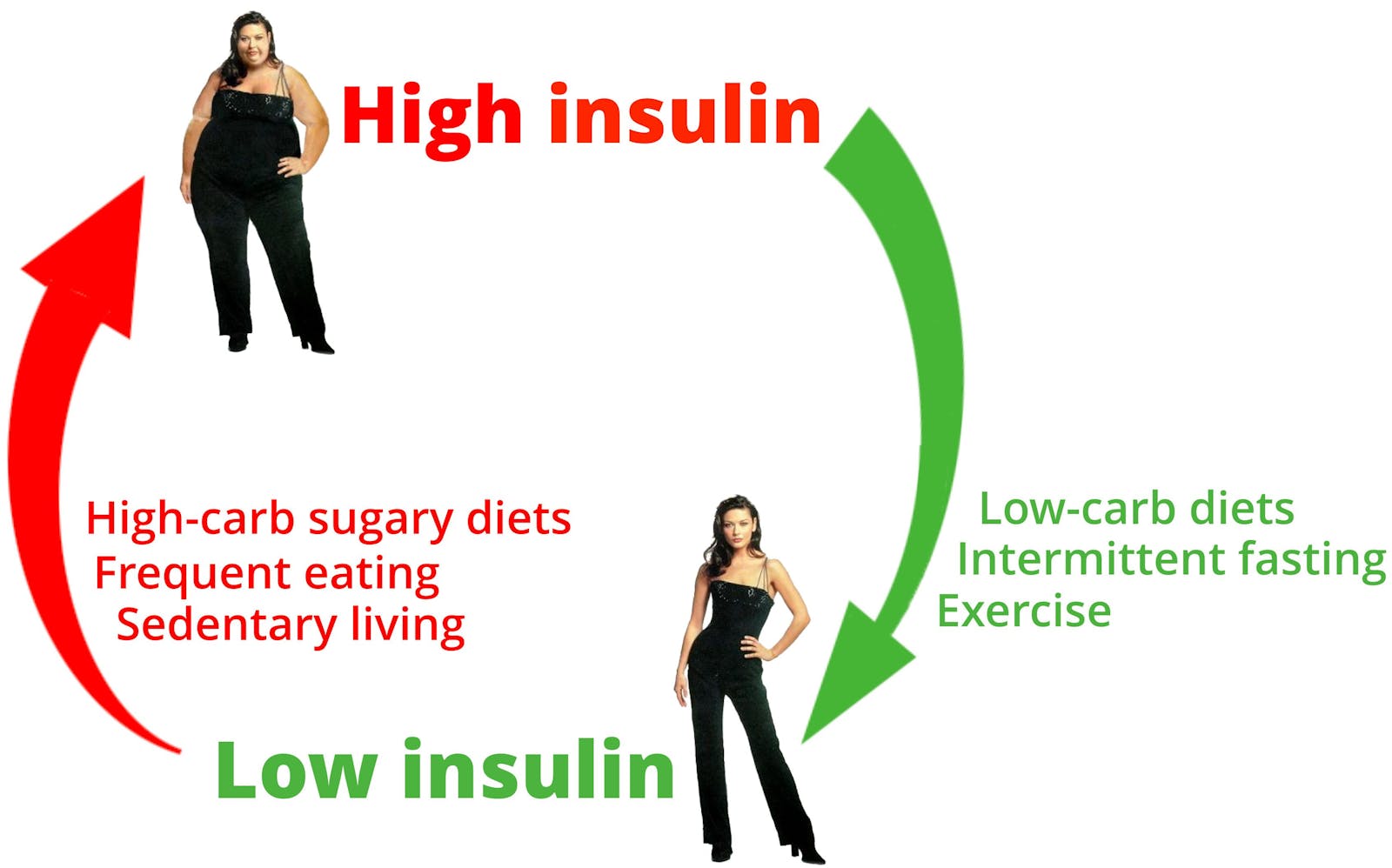

Diabetes: Latino Kids May Develop Type 2 Diabetes Due To A High-sugar Diet

Diet is a quite important matter for diabetic people. Everything they eat may have a consequence positive or not in their disease evolution. According to researchers from Keck School of Medicine of the University of Southern California, overweight Latino children show signs of beta cell decline, a precursor of type 2 diabetes because they are consuming lots of sugar especially in sugary drinks.

Nowadays, statistics show that nearly one out of four Latino children in the United States is overweight, and the problem appears to be worse over the future. Obesity rates are increasing along with the incidence of pre-diabetes and type 2 diabetes within overweight teens. Under a researchers' report published by the American Journal of Clinical Nutrition, high sugar consumption during childhood may play an important role in the development of diabetes in this population.

Treat Type 2 Diabetes Naturally - Blue Heron Health News 


According to experts in preventive medicine, overweight and poor diet among these children could have disastrous consequences for minority health and the health-care costs for future generations, if they are left untreated.

The research called Study of Latinos at Risk (SOLAR) Diabetes Project is conducted by the research team from the Keck School. This project examined 63 overweight Latino children in Los Angeles from 9 to 13 years old and do not have diabetes.

Beta cells in the pancreas, experts explain, create the hormone insulin in response to sugar from food. Energy is something necessary to cells in the body's tissues, so they need sugar, or glucose, and insulin helps cells grab and take up glucose in the blood.


Wednesday, 16 December 2015

Diabetes: Health 'Coaches' Will Help To Combat Rising Diabetes Cases


Pennsylvania has a moderate rate of increase in diabetes hospitalizations, accounting less than 1 per cent over the last two years, however, diabetes is a serious problem in this region. An amount of 8 per cent of adults of this state is affected by diabetes, which is 1 per cent above the 7 per cent people affected throughout the country. Moreover patients from various counties in Western Pennsylvania have high rates of end-stage kidney disease, one complication of diabetes.

The above mentioned situation alongwith the continuos growing rate in diabetes hospitalizations which increased 9 per cent in the past five years to 23,725 during 2004, make them create a new health program to reduce health care costs through a initiative of health coaches.


According to a study from the Pennsylvania Health Care Cost Containment Council, hospitalizations generated more than $673 million in hospital charges last year alone, although 40 per cent of these are paid by health plans.

The main idea of this new iniciative is to lower the health care costs associated with employees with diabetes and to keep them out of the hospital, but on the job at same time.

This iniciative will start in January, and will provide “health coaches” to 4,200 diabetic employees at 10 companies in the region, under a program that will be launched by the Pittsburgh Business Group on Health, a coalition that includes human resources and benefits executives from 62 area companies.

In the new program, employees who volunteer to participate will have counseling sessions with pharmacists about using diabetic medications. Health coaches will check patients are getting the tests needed to monitor their condition and are following recommendations about diet and exercise.


Tuesday, 15 December 2015

Diabetes: Diabetics Should Not Have A High Carb Diet Due To Blood Pressure

New studies evaluating the effects of high-carbohydrate and high- monounsaturated fat diets indicate that patients with type 2 diabetes suffered of modestly raises blood pressure after being exposed to 14 weeks of a high-carbohydrate diet compared to a diet high in monounsaturated fat.

One diet consisted in a high-carbohydrate diet consisting of 55 per cent of calories as carbohydrate, 30 percent as fat, and 10 percent as monounsaturated fat. The other diet consisted in a high-monounsaturated fat diet deriving 40 percent of calories from carbohydrate, 45 percent from fat, and 25 percent from monounsaturated fat.


The research compared the effect of two same-calorie diets among 42 patients with type 2 diabetes, who consumed each diet for 6 weeks, with about 1 week between the two periods. These patients were invited to continue the second diet for 8 weeks more. Eightof them continued on the high-monounsaturated fat diet and 13 continued on the high-carbohydrate diet.

Findings after the first 6-week periods demonstrated that there were no significant differences between both diets in systolic or diastolic blood pressure, the upper and lower numbers on a standard reading, respectively, or in heart rate.

After the 8 week-extension, diastolic blood pressure was 7 points higher than at the end of both 6-week phases, because of the high carbohydrate diet associated, and systolic blood pressure was 6 points higher, and heart rate was higher by 7 to 8 beats per minute.

On the other hand, there was a significant lowering of heart rate compared with the end of the initial 6-week periods during the 8-week extension of the high-monounsaturated fat diet. There was almost no statistical significance between Systolic and diastolic blood pressure that were 3 to 4 points lower after 14 weeks on the high-monounsaturated fat diet.

Monday, 14 December 2015

Diabetes: Diabetic Foot Ulcers May be Cure by A Vitamin A Compound

A compound of vitamin A called topical Retin-A also known as tretinoin, mainly used to treat acne problems, enhances the healing of foot ulcers in patients with diabetes, according to a report of the Archives of Dermatology.

Though previous studies showed that topical Retin-A was a bit helpful in enhancing wound healing in patients with diabetes and some results were discussed by different scientifics, a group of researchers tried to know if tretinoin really helped or not to these patients.

Destructor De Diabetes 


The research was carried out with 24 volunteers who had diabetic foot ulcers but who showed no evidence of infection or circulation problems in their extremities. Some patients were assigned to 4 weeks of daily treatment with topical 0.05 per cent tretinoin solution meanwhile the control group was assigned to a treatment with a saline solution. Both groups were assessed every 2 weeks.

The 22 volunteers who completed the study were affected by a total of 24 foot ulcers. 18 per cent of patients in the control group (2 of the 11 ulcers) and 46 per cent of patients in the treated group (6 of the 13 ulcers) achieved a complete healing at the end of 16 weeks. There was no statistical significance of adverse events, though some patients experienced mild pain at the ulcer site.

The researchers were pleased with the results, although they were a bit concerned because tretinoin irritates and they thought that the patients would become so irritated that they wouldn't be able to continue the research. However, this situation didn't seem to be a problem in most cases, as they explained.

A conclusion for the researchers was that they hope that diabetic foot clinics know about this and use Retin-A when other therapies that they use don't work.


Diabetes – Symptoms And Cures

Diabetes is of three main types – insulin-dependent diabetes or the Type 1 diabetes, Non-insulin dependent diabetes or the Type 2 diabetes, and gestational diabetes mellitus. A person’s eating habits and viruses can cause Type 1 diabetes. Heredity, obesity, high blood pressure, and lack of proper diet cause Type 2 diabetes, which is very common.

The gestational diabetes mellitus is caused as a result of heredity, increased maternal age, fatness and more reasons. It may cause the mother to develop permanent diabetes. This characteristic may get transferred to the child at a later age.

There are certain symptoms with the help of which you can detect diabetes. Excessive urination, constant thirst, loss of weight, excessive starvation, nausea, extreme tiredness, infections, irritability and tiredness are some of them.

The importance of insulin comes to light when a person suffers from diabetes. Insulin is a hormone that allows blood sugar or glucose to enter body cells. Diabetes affects a person’s capability to make insulin. Due to diabetes, the glucose remains in the blood itself. This high rate of sugar in the blood may cause harm to your eyes, nerves, kidneys, heart and blood vessels.

Inverser Son Diabete Maintenant : French Of Manage Diabetes Today


Other than heredity reasons, you can easily avoid Type 2 diabetes by following some simple steps. For those people who are overweight, reduce the rate of consuming food. Overweight people have the risk of developing diabetes. Try to consume grilled or baked food instead of fried food. Cut down on fatty meals. While having food, check its Glycemic Index. While drinking milk, opt for the skimmed milk instead of the full-fat milk. Exercise is a very effective way, which ensures that you stay in a healthy way always.

It is best to cure diabetes before it attacks your health. To cure diabetes, it is important to know its symptoms. Extreme thirst not only after exercise and a stroll in the hot air, but always, is a symptom. Even after drinking water, if you have a dry mouth, if you have to urinate frequently, if you have unexpected weight loss, and you feel lethargic all the time, check with a doctor. It could be a symptom for diabetes.

Blurry vision, slow healing cuts and sores, extreme itching or soreness in the genital or yeast infection can be the other symptoms of diabetes. It is best to cure it before it develops fully and affects your body.


Sunday, 13 December 2015

Diabetes: Alzheimer's and Diabetes Could Be Linked Diseases I

According to a new study, diabetes and Alzheimer's diseases are more related than everybody thought. Some researchers believe that Alzheimer's could be a form of diabetes, because findings show that insulin production in the brain declines as Alzheimer's disease advances.

Through a series of experiments, a group of researchers discovered that the brain produces insulin and that this substance produced by brains of patients with Alzheimer's illness tends to fall below normal levels.

For the neuropathologist at Rhode Island Hospital and professor of pathology at Brown University Medical School, Suzanne M. de la Monte, “insulin disappears early and dramatically in Alzheimer's disease and many of the unexplained features of Alzheimer's, such as cell death and tangles in the brain, appear to be linked to abnormalities in insulin signaling. This demonstrates that the disease is most likely a neuroendocrine disorder, or another type of diabetes”.

How To Improve Diabetic Kidney Disease: High Converting Offer


During the early stages of Alzheimer's disease, brain levels of insulin and its related cellular receptors fall precipitously, as her group of researchers explained. They believe that Alzheimer's might be a new form of diabetes since the evidence shows insulin levels continue to drop progressively as the Alzheimer's disease becomes more severe.

The team led by de la Monte also found that low levels of acetylcholine are directly linked to this loss of insulin and insulin-like growth factor function in the brain. Acetylcholine is a hallmark of Alzheimer's disease.

The researchers team autopsied the brain tissue of 45 patients diagnosed with different degrees of Alzheimer's called “Braak Stages” and compared those tissues to samples taken from individuals with no history of the disease.

Thursday, 10 December 2015

Culturally Specific Programs Urged in Diabetes Care

Diabetes remains an epidemic in the U.S., but experts are now more concerned that certain populations may not be getting the right kind of treatment because of their ethnic and cultural beliefs.

Physicians can't use a one-size-fits-all approach to treating patients with diabetes; physicians, families and community leaders must work together to develop culturally specific programs, according to Dr. Kevin McKinney, Minority Health Affairs Committee chairman of the American Association of Clinical Endocrinologists.

Cultural viewpoints of medicine and disease only compound the issue, said McKinney, who spoke at a recent American Medical Association media briefing on diabetes.

For instance, in some societies, religion influences one's physical and emotional well-being equally. When an illness occurs, a family may seek out the advice of a religious leader before consulting a physician, which would delay treatment and increase the risk of complications.

"Most people in these communities don't even know they're at risk," McKinney said. "They may know about diabetes and its effects, but they're unaware that living a healthy lifestyle can help reduce their risk."

Treat Type 2 Diabetes Naturally - Blue Heron Health News 


McKinney stresses that education is the key to eliminating the prevalence of diabetes in certain communities and suggests programs that pair education with a cultural activity.

"Programs held at community and religious centers can focus on diabetes risk factors and some of the healthier approaches to traditional foods that may help in reducing those risks," McKinney said.

More than 21 million Americans now have diabetes - a number that experts say may climb as high as 31 million by the year 2050. Every 24 hours, another 4,100 people in the United States are diagnosed with the disease.

But despite these dire statistics, Dr. Frank Vinicor, director of the Division of Diabetes Translation at the Centers for Disease Control and Prevention, says that the medical community is making great strides to combat this epidemic.

"We know that you do not have to develop type 2 diabetes if you're at high risk, and that if you do have diabetes, you don't have to lose your eyes, your feet or your heart," Vinicor said at the briefing.

The overall outlook for diabetes is beginning to improve, Vinicor said.

"The rates of amputations and end-stage kidney disease due to diabetes are actually beginning to fall," he said. "The preliminary data indicate that fewer people with diabetes are dying. So we're seeing some light at the end of the tunnel."


Could You Have Diabetes-And Not Know it?


Take this test to see if you are at risk for having diabetes. Diabetes is more common in African Americans, Latinos, Native Americans, Asian Americans and Pacific Islanders. If you are a member of one of these ethnic groups, you need to pay special attention to this test. Write in the points next to each statement that is true for you. If a statement is not true, put a zero. Then add your total score.

1. I am a woman who has had a baby weighing more than nine pounds at birth.

Yes 1 ______

2. I have a sister or brother with diabetes.

Yes 1 ______

3. I have a parent with diabetes.

Yes 1 ______

How To Improve Diabetic Kidney Disease: High Converting Offer


4. My weight is equal to or above that listed in the chart.

Yes 5 ______

5. I am under 65 years of age and I get little or no exercise.

Yes 5 ______

6. I am between 45 and 64 years of age.

Yes 5 ______

7. I am 65 years old or older.

Yes 9 ______

TOTAL

Scoring 10 or more points: You are at high risk for having diabetes. Only your health care provider can check to see if you have diabetes. See yours soon and find out for sure.

Scoring 3 to 9 points: You are probably at low risk for having diabetes now. But don't just forget about it. Keep your risk low by losing weight if you are overweight, being active most days and eating low-fat meals that are high in fruits and vegetables and whole grain foods. Diabetes is a serious disease that can lead to blindness, heart disease, strokes, kidney failure and loss of a limb.